How Anthropic is helping small businesses
How a family shop builds portable sinks by hand and its business with Claude

In 2024, Ray and Dana Chery left their corporate careers to pursue entrepreneurship and acquire a company that manufactures mobile hygiene equipment. Monsam, in Antioch, California, had spent 26 years designing and building customizable portable sinks that deliver running water in spaces without plumbing. Two years later, the Cherys are running Monsam as co-CEOs, with customers including school districts, stadiums, childcare centers, and hospitals. Claude has become part of nearly every job they do, from negotiating contracts with national companies to confirming local health codes for customers.
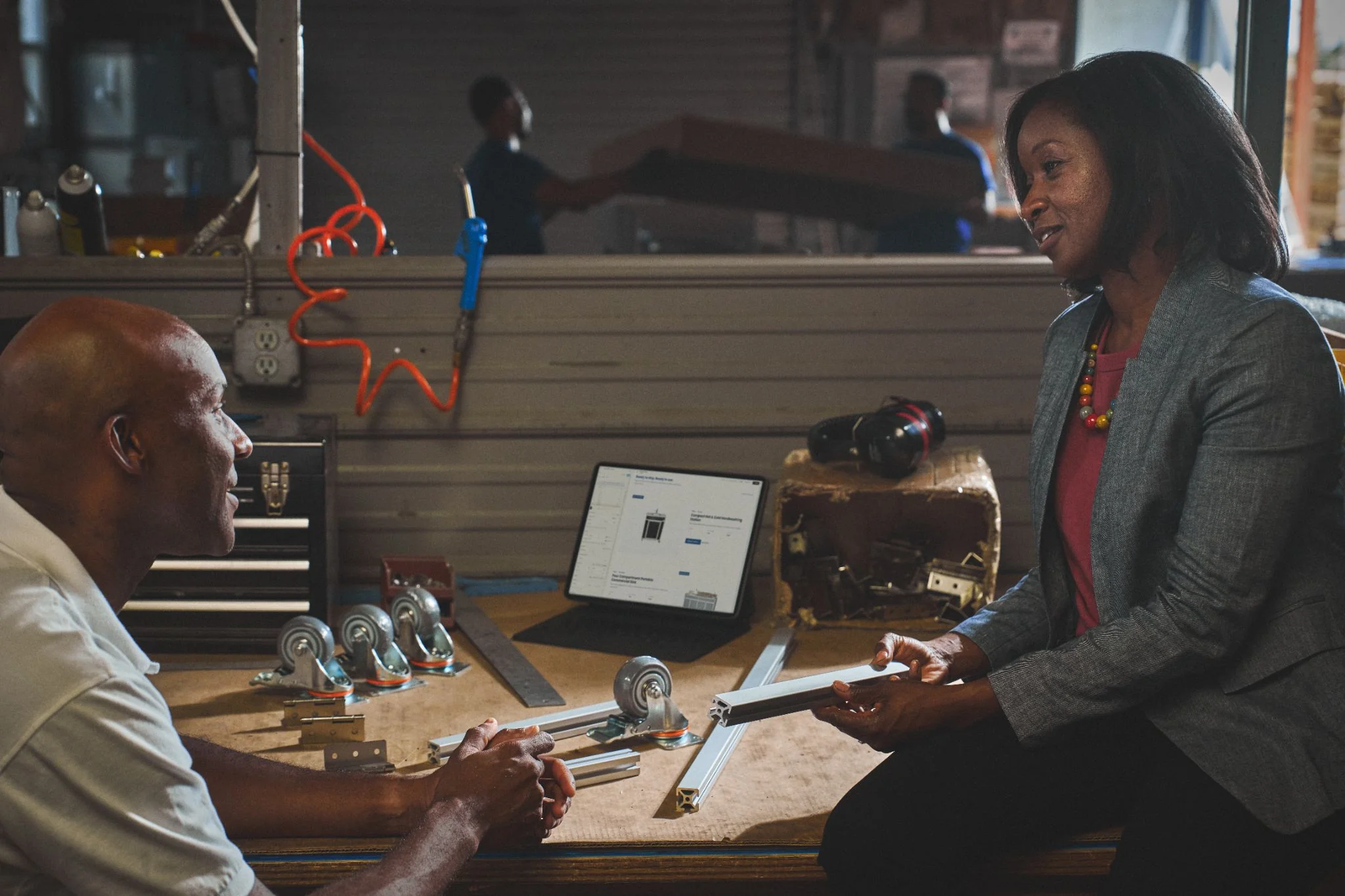
Prior to Monsam, Ray worked in investment banking and Dana in B2B marketing for software companies. When they decided to go into business for themselves, they looked for an established company with sound fundamentals and strong growth potential. Dana says acquiring a business was a “risk-adjusted” path to pursue entrepreneurship. “We came in with big ideas for all the things that we could change and do,” she says, “and we also knew we needed to prioritize observing, listening, and learning, especially during the first few months.” Ray and Dana decided to change less than they had planned in the short term, and to retain the core of what the founders had built: the team, the quality of the units, and a phone that’s always answered by a person. Customers sometimes call 10 or 15 years after buying a unit, needing a replacement part or a new tank. “You’re going to get a human every time you call our company,” Dana says.
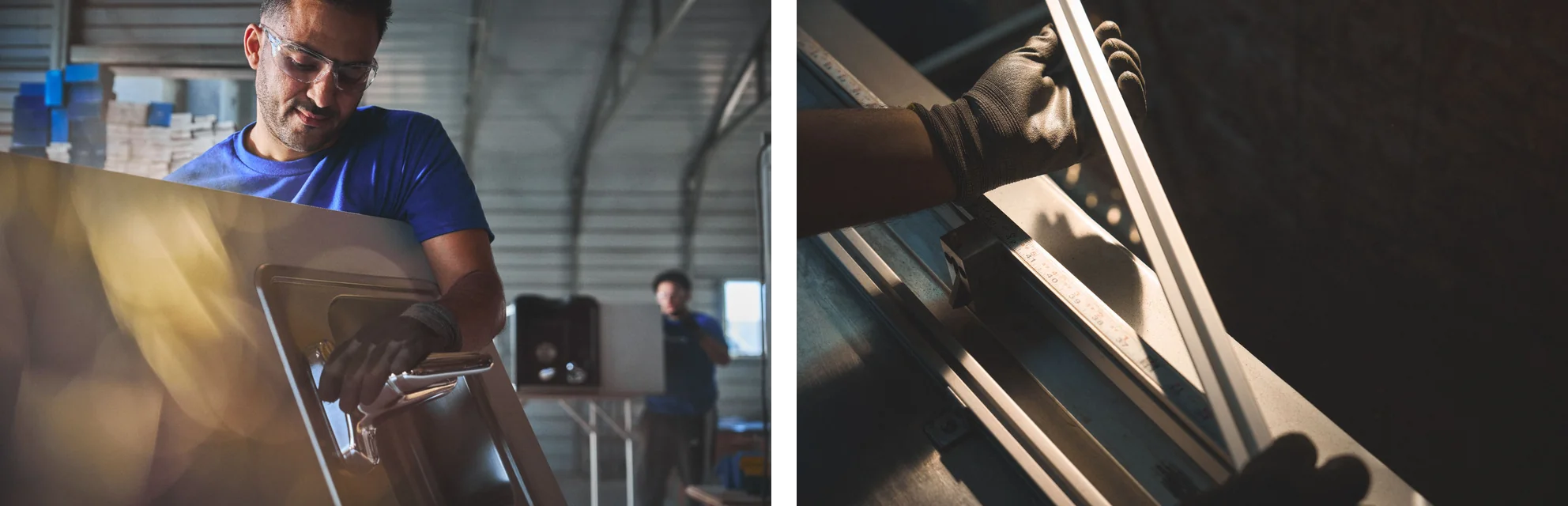
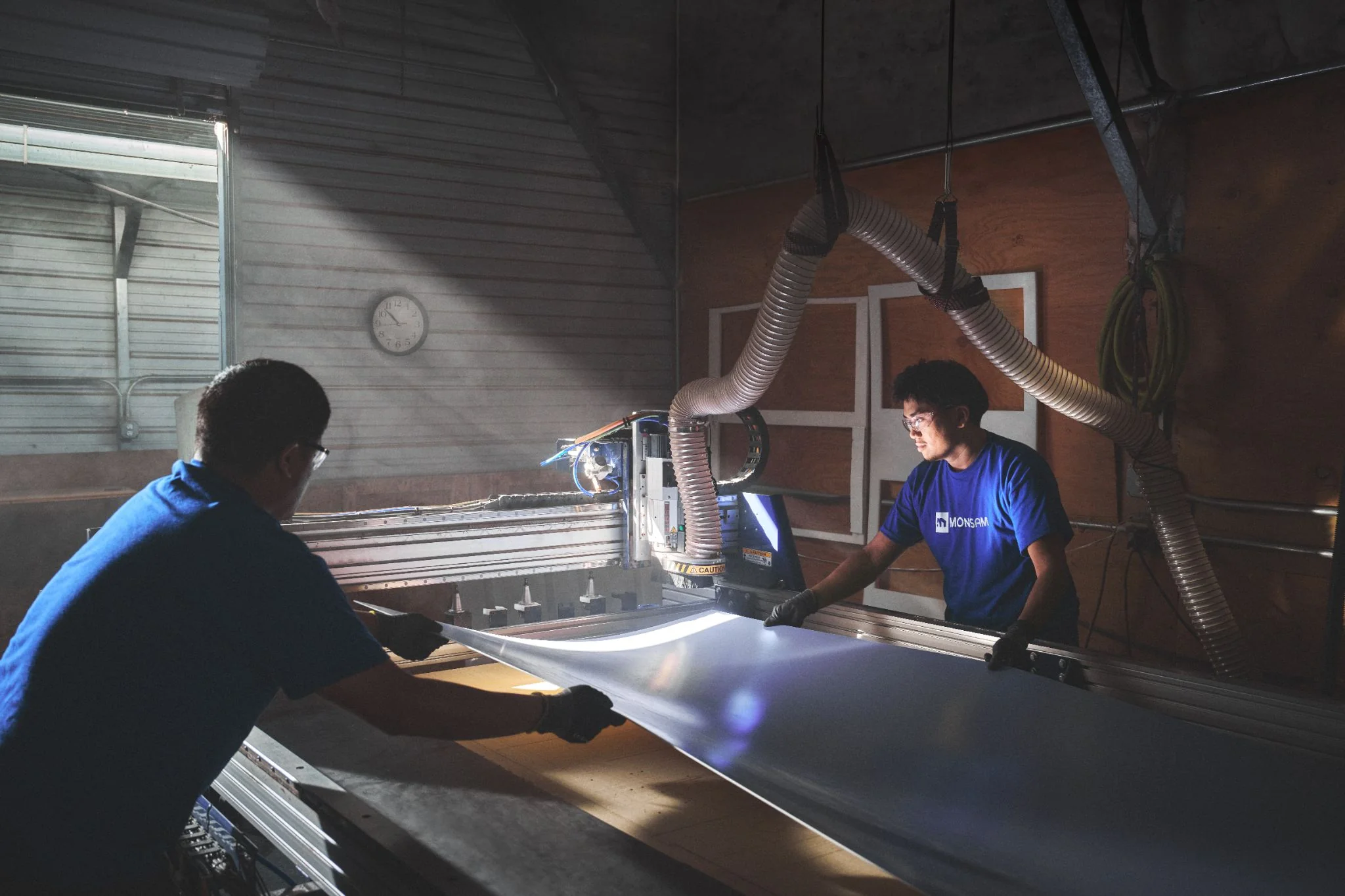
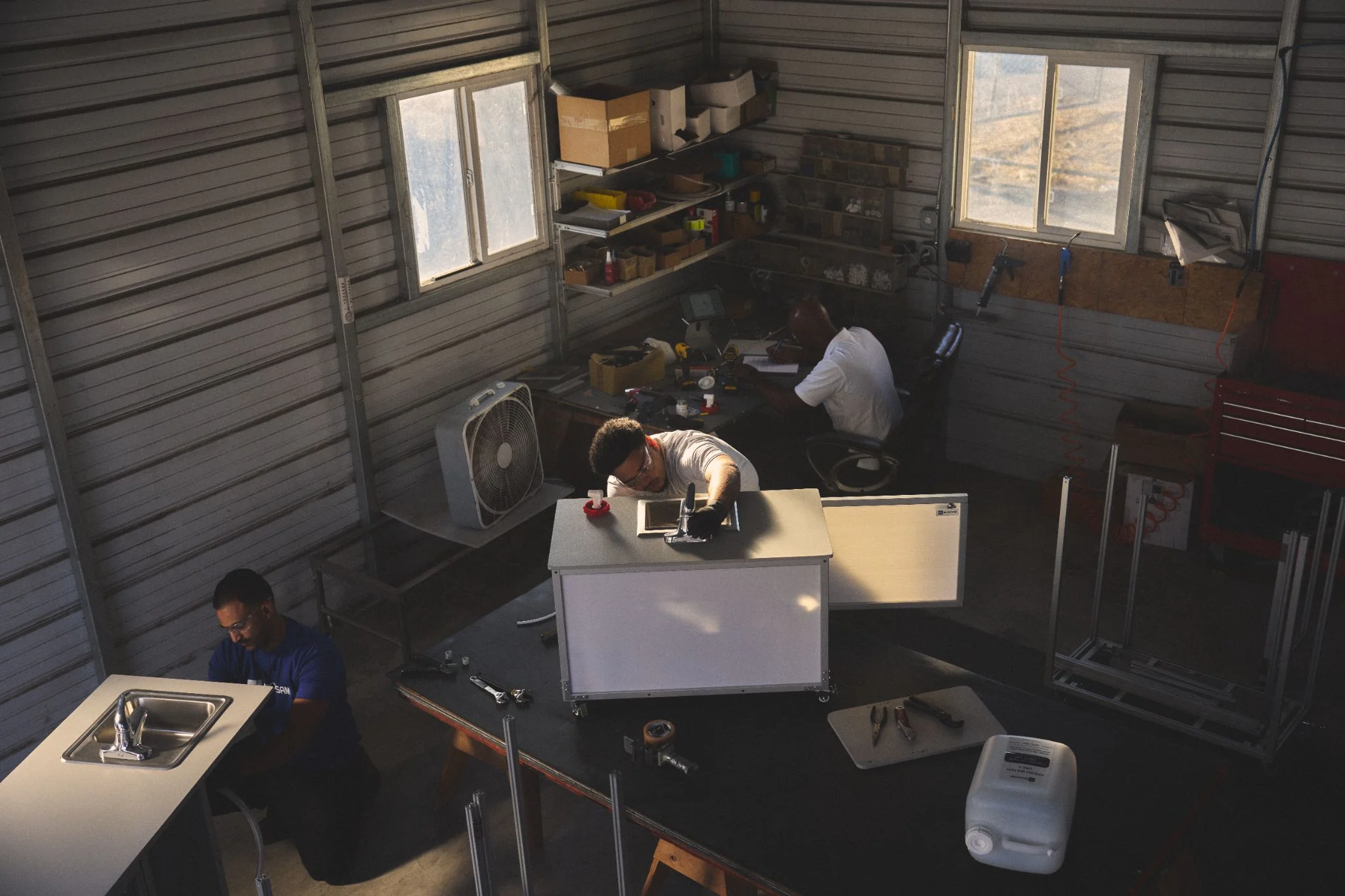
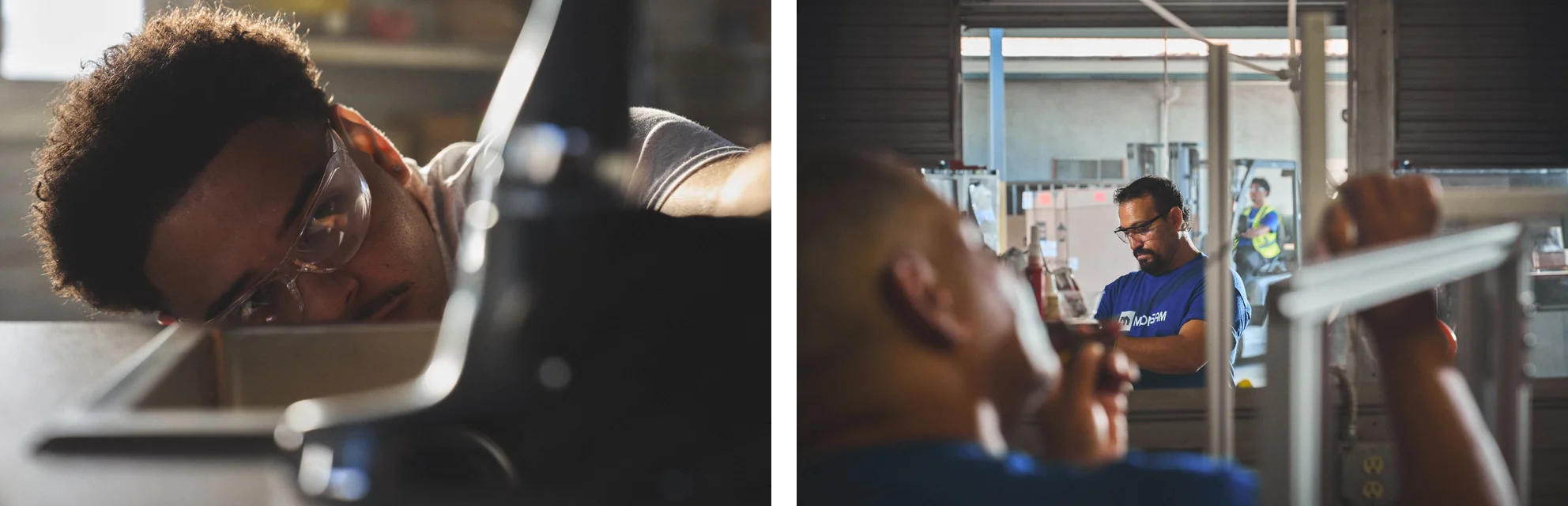
Each Monsam unit is still built in their Antioch facility. Aluminum bars are precision-cut and drilled for the frames, which move to a station where tanks, heaters, and pumps are installed. Completed units are carefully packed for shipping. Many of the people doing that work were at Monsam long before the Cherys arrived. Several are related to each other, including two brothers and a father and son, and each of them can work any station on the line. “In the early days, we were learning from them way more than vice versa,” Ray says.
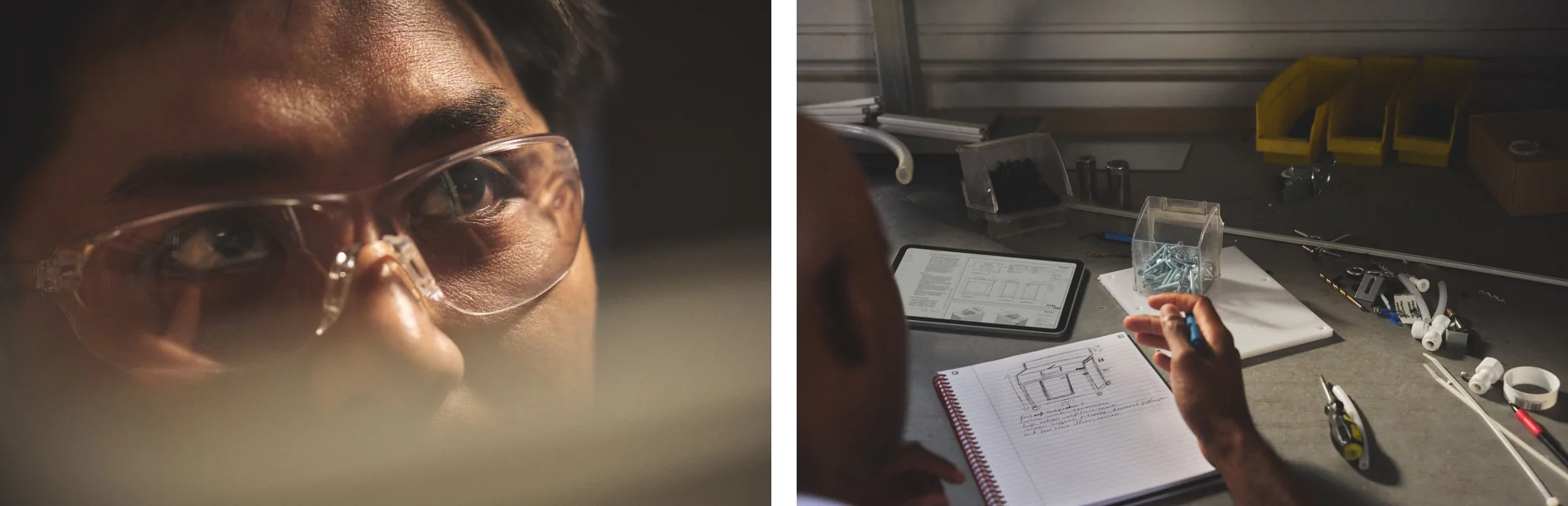
In addition to the shop itself, Monsam’s founders handed down 26 years of records, including transactions, customer files, and standard operating procedures spread across different computers and cloud systems. “There were troves of useful data, but also a lot of legacy debt,” Dana explains. She uses Claude to pull what’s relevant from an archive organized by year and inform decision making, and says the work has influenced their strategy and which customers Monsam goes after.
Ray calls Claude his “joint general counsel.” This year Monsam has executed agreements with some of the largest food-service and hospitality companies in the country, and those contracts come with a great deal of paperwork going back and forth. Ray uses Claude to help digest the documents and draft responses to particular clauses.
Many of the questions customers bring to Monsam are about health codes. Every municipality writes its own, often running 30 to 50 pages, and Dana says it’s difficult to keep track of them all. When a customer opening a childcare center in California got in touch about an installation, Dana used Claude to work through the state’s rules, which require at least one sink for every 15 children. With that information in hand, she could ask how many units the center needed, where they would go, and how they would work alongside its other equipment.
Coming to a customer with an informed opinion, Dana says, “allows us to come in with more expertise and authority and helps us build trust.”
Venue operators often don’t know what their health inspector will require, and a unit that ships across the country without meeting those requirements can’t be used when it arrives. Last year Monsam built custom units for an outdoor space at a Southern California museum that was rebuilding after the Palisades fire. The local health department had strict requirements, and the museum brought Monsam into its conversations with inspectors. Ray says Claude helped with designs that mapped where every specification sat so the units would be up to code. The project was approved.
Monsam also rents its units for events, and the company’s old rental website meant answering the same questions by email over and over. Dana used Claude to design and build a working prototype of a new site in an afternoon or two, complete with a contact form she can click through. “Something like that would have cost thousands of dollars,” she says.
Ray says schools exemplify the value of portable sinks. Teachers often find unused areas they would like to convert into art studios or science labs, and realize these spaces require running water to do so. Permits, contractors, and plumbing can often cost $50,000 to $100,000 and take months; a Monsam unit costs a fraction of that and arrives in weeks. The result is more student engagement and greater access to classes that otherwise wouldn’t exist.
“As we’re helping the ultimate end customer make their space more flexible and more compliant, that opens up the door for others to build community and provide access to opportunities that they might not otherwise have had access to.”
Related stories

How a family business uses Claude to compete in a global seafood market

Carvana turns Slack alerts into production fixes with Claude Tag

How can a Boston restaurant owner pay people what they deserve and still keep the lights on?
